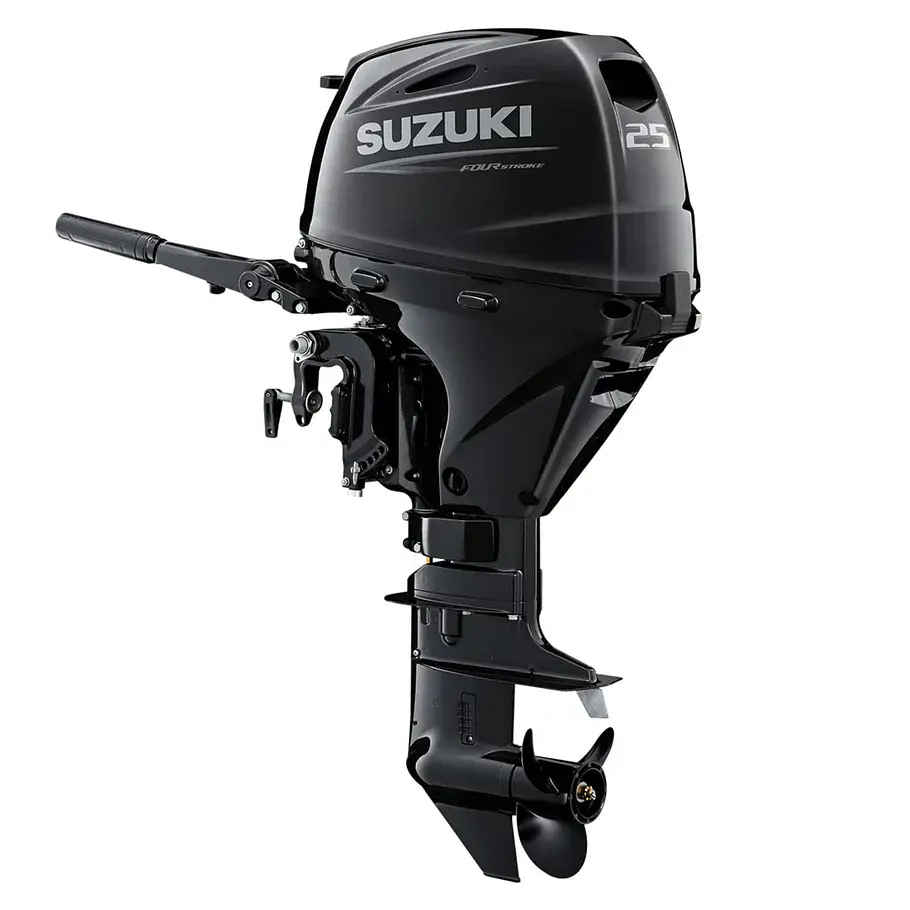
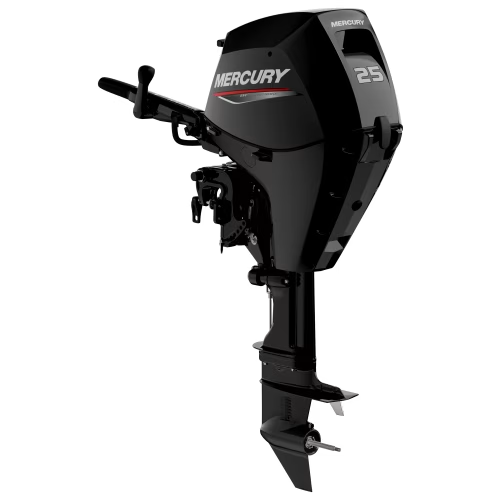
For boaters at Buck’s Island, a small-horsepower outboard is the ticket to a perfect day on the Coosa River or a quiet morning on a backwater honey hole. Whether you’re looking to repower a jon boat, a duck boat, a skiff, or a small inflatable, choosing the right motor is about more than just picking a number on the cowling.
If you are in the market for a portable outboard motor (typically 2.5 HP to 25 HP), here are the essential factors to consider before you pull the cord.
1. Match Horsepower to Your Boat’s Specs
"Under-powering" a boat can be just as frustrating as over-powering it. In 2026, the efficiency of small engines has reached a new peak.
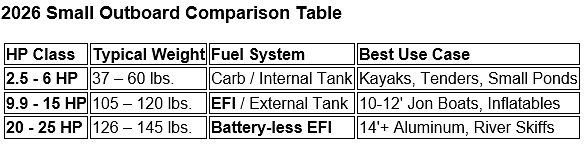
- 2.5 – 6 HP: Best for canoes, square-stern kayaks, or small tenders. These are ultra-portable—the Yamaha F2.5, for example, weighs as little as 37 lbs. Most in this class feature built-in fuel tanks.
- 8 – 15 HP: The "sweet spot" for 10- to 12-foot jon boats. Tohatsu and Suzuki now offer EFI (Electronic Fuel Injection) in the 9.9 HP range, providing incredible reliability without a heavy battery.
- 20 – 25 HP: Ideal for 14-foot+ aluminum boats and skiffs. These models (averaging 126–145 lbs) deliver enough torque to get on plane quickly with multiple passengers and gear.
2. Shaft Length: 15" or 20"?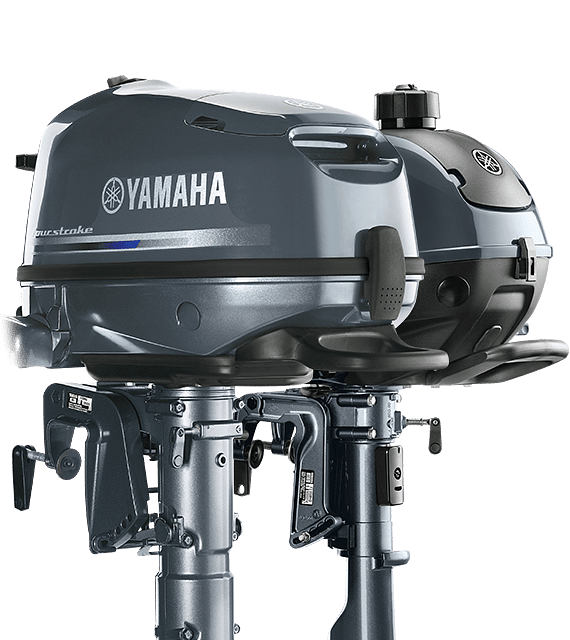
To ensure top performance, you must match the motor to your transom height. Measure from the top of the transom to the very bottom of the hull.
- Short Shaft (15"): The standard for most aluminum jon boats and low-profile skiffs found in Alabama.
- Long Shaft (20"): Typically required for sailboats, deep-V hulls, or boats with higher transoms.
KEY TIP: Using the wrong shaft length causes cavitation (too short) or excessive drag (too long), significantly impacting fuel economy and hull stability.
3. Battery-less EFI vs. Carbureted Models
While older portable motors relied on carburetors, Battery-less EFI is the gold standard for 2026.
- EFI Benefits: No manual choking, easier cold-starts, and better resistance to ethanol fuel issues. You’ll find EFI starting as low as 9.9 HP in some brands.
- Carburetor Benefits: Generally found in the 2.5–6 HP range. They remain popular for their lower upfront cost and simpler DIY maintenance.
4. Portability and Ergonomics
If you plan on removing the motor after every trip, weight and handling are your top priorities.
- Carrying Handles: Look for models with large, ergonomic grips.
- Oil-Spill-Free Storage: Many modern portables are designed with "resting pads," allowing you to lay the motor on its side in a truck bed without leaking oil—a must-have for portable boat motor owners.
Why Buy From Buck’s Island?
We are a premier dealer for the industry’s most trusted brands: Yamaha, Mercury, and Suzuki. Whether you need a lightweight kicker for your fishing boat or a primary engine for a G3, Avid, or SeaArk, our team ensures your rig is balanced for the Coosa River’s unique conditions.
Visit Buck’s Island today to browse our 2026 inventory or talk to our service pros about a professional repower